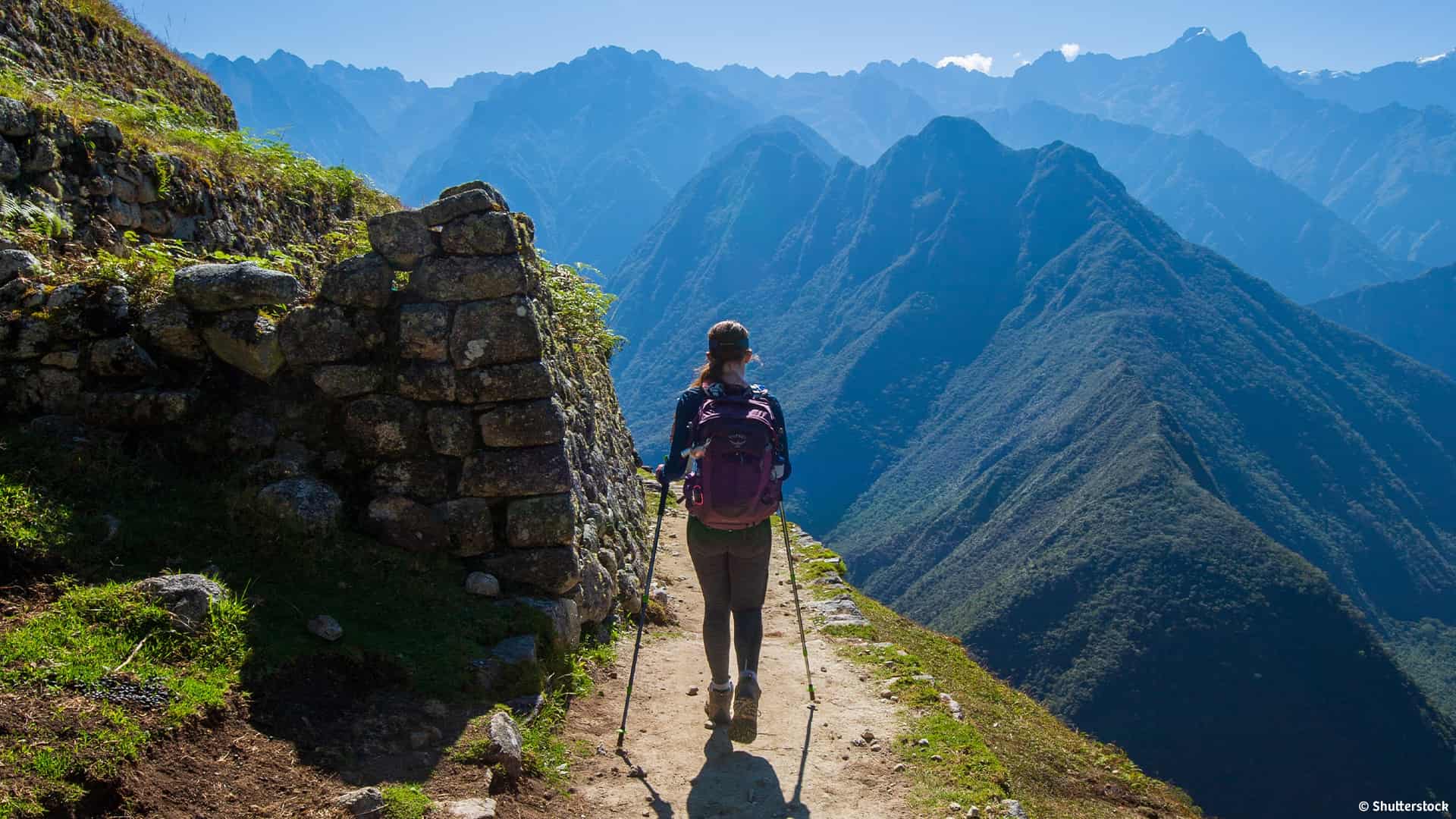
The choice between the Inca Trail trek and the Belmond Hiram Bingham luxury train represents a fundamental decision about the type of experience you prioritize—not merely the destination. Both routes lead to Machu Picchu, but they deliver markedly different value propositions. The Inca Trail offers an earned, immersive, and sustainable experience that demands physical commitment; the luxury train delivers curated comfort, cultural convenience, and minimal time investment. This analysis examines the critical trade-offs across cost, difficulty, sustainability, and experience quality to help you make an informed decision aligned with your priorities.
Financial Analysis: True Cost of Entry
Inca Trail Pricing Structure
The classic 4-day Inca Trail trek ranges from $700 to $1,300 per person, with the market clustering around $800–$950 for reputable operators. This includes all critical components: government permits (non-refundable), bilingual guides, porter services, meals, camping equipment, accommodation, and the return train from Aguas Calientes to Cusco. Budget operators at the $760 tier represent legitimate savings, while the $1,000+ range typically reflects private group discounts or premium lodging in Cusco.
The short 2-day Inca Trail costs $475–$750, making it only marginally cheaper than the full trek due to expensive train tickets and hotel logistics. First-time trekkers should budget an additional $200–$400 for acclimatization stays in Cusco or the Sacred Valley, bringing true all-in costs closer to $900–$1,400.
Luxury Train Economics
The Belmond Hiram Bingham operates a fundamentally different pricing model. Round-trip tickets cost approximately $1,120 during peak season, with one-way fares ranging $400–$950 depending on booking timing. Critically, Machu Picchu entrance tickets are purchased separately—a detail frequently overlooked in budget comparisons. The train includes gourmet brunch, fine-dining lunch, premium beverages, live Peruvian music, and afternoon tea at the Belmond Sanctuary Lodge.
Standard train alternatives (PeruRail Expedition, Inca Rail) cost $140–$180 for round-trip basic service, making them cost-competitive with the Inca Trail on pure transportation. However, these lack the gastronomic and entertainment components that justify the Hiram Bingham premium.
True Cost Comparison: For an apples-to-apples calculation, a middle-market Inca Trail trek at $850 plus Cusco accommodation ($150–$300) totals approximately $1,000–$1,150. A luxury train with Hiram Bingham ($1,120) and Machu Picchu entrance ($80) reaches $1,200+. Neither option is demonstrably cheaper when calculated comprehensively; the Inca Trail trades monetary cost for temporal and physical cost.
Physical Demands and Accessibility
The Inca Trail’s Physiological Challenge
The classic 4-day trek spans 43 kilometers of high-altitude terrain, culminating at Dead Woman’s Pass (4,200 meters / 13,779 feet), Peru’s highest point in the tourist itinerary. The trek is consistently rated moderate-to-hard in difficulty, requiring three to four days of sustained climbing with steep stone steps, narrow pathways, and uneven terrain.
This is not hyperbole: travelers with low fitness levels report gasping for breath multiple times per day, and the cumulative fatigue compounds by day three. Reddit discussions and published reviews reveal honest testimonials—some hikers find it manageable, while others describe it as “the hardest thing they’ve ever done”. The variance depends less on fitness than on altitude tolerance, which is individually unpredictable.
Altitude Sickness: The Hidden Variable
Altitude sickness risk begins above 2,500 meters and escalates above 3,500 meters. Symptoms include headaches, nausea, fatigue, insomnia, and dizziness—not merely discomfort, but potential medical emergencies (high-altitude cerebral edema and pulmonary edema in severe cases). The Inca Trail traverses altitudes where these risks are non-trivial.
Mitigation requires mandatory acclimatization: minimum two days in Cusco (3,400m) or ideally the Sacred Valley (2,900m) before starting. Many travelers underestimate this requirement and suffer accordingly. Altitude sickness is neurologically uncorrelated with general fitness—elite athletes fail acclimatization while sedentary travelers succeed.
The Luxury Train’s Accessibility Advantage
The Belmond Hiram Bingham eliminates physical barriers entirely. You board at 3,570m and descend for 1.5–2 hours via rail, requiring zero exertion to reach Machu Picchu. The train is wheelchair-accessible, and tour operators have documented successful journeys for individuals with severe mobility restrictions, using personal assistants and ramps as needed.
This accessibility extends beyond disability accommodations. Elderly travelers, pregnant women, individuals with respiratory conditions, and anyone recovering from illness can access Machu Picchu without medical risk. The train represents the only viable option for individuals with contraindications to high-altitude exposure or strenuous exertion.
Experience Architecture: What Each Route Actually Delivers
The Inca Trail: Archaeological Immersion and Physical Accomplishment
The 4-day trek is fundamentally a multi-day archaeological journey punctuated by physical challenge. Hikers encounter four major Inca ruins en route—Llactapata, Runkuracay, Sayacmarca, and the architectural masterpiece Wiñay Wayna (meaning “forever young”). These sites are encountered in progression, creating narrative context for the civilization that built them.
The journey unfolds across three ecological zones: highland scrub at 4,200m, cloud forest at 3,000m, and humid subtropical forest near Aguas Calientes at 2,100m. Travelers experience this biogeographic transition physically—the landscape morphs beneath your feet as elevation changes.
Critically, the Inca Trail involves sustained interaction with local Quechua porters and guides, often resulting in genuine human connection despite language barriers. Porters carry 25 kilograms of gear, establish camp, prepare meals, and collapse tents—enabling travelers to carry only light daypacks. This porter economy, while historically exploitative, has been reformed through CarbonNeutral certification and porter welfare regulations implemented around 2000. Modern Inca Trail companies with strong reputations (G Adventures, Alpaca Expeditions) ensure fair wages and safe working conditions.
The psychological component is substantial: reaching Machu Picchu on foot, after four days of sustained effort, produces what travelers consistently describe as a profound sense of accomplishment. Survey data and testimonials reveal this “earned arrival” generates deeper emotional resonance than arriving by any other means.
The Luxury Train: Curated Scenery and Refined Experience Design
The 1.5–2-hour journey from Ollantaytambo to Aguas Calientes is genuinely scenic—travelers describe the window views as “phenomenal” and among the greatest train journeys of their lives. The route follows the Urubamba River through gorges flanked by towering Andean mountains, transitioning through cloud forest as elevation decreases.
However, the essential difference is medium: the Hiram Bingham delivers scenery through a window, not through immersive engagement. Large windows with UV protection prevent photography glare but create psychological distance from the landscape. A traveler riding the PeruRail Vistadome observed that panoramic windows prove less impressive than anticipated, with minimal difference between economy and premium carriages despite significant price variance.
The Hiram Bingham’s true value lies in the social infrastructure of luxury: welcome cocktails, white-tablecloth dining, live Peruvian music, a bar car, observation platform seating, and afternoon tea at the Belmond Sanctuary Lodge. The train experience is refined, historically evocative (1920s Pullman aesthetics), and designed for minimal physical exertion and maximal comfort. It appeals to travelers who prioritize experience curation over physical engagement.
Permit Accessibility and Booking Timeline
Inca Trail Permits: The Scarcity Constraint
The Peruvian Ministry of Culture caps the Inca Trail at 500 visitors per day, including support staff. Permits are released October 1st annually and sold exclusively through licensed tour operators—direct government purchases are impossible.
This creates a permit lottery with high stakes:
- Peak season (May–September): Book 5–8 months in advance; many dates sell out within hours of release
- Shoulder season (April, October–November): Book 4 months advance
- Rainy season (December–March): Book 1 month advance; permits remain available
- February: Completely closed for trail maintenance
The system penalizes spontaneity. A traveler deciding in March to trek in June will find permits unavailable; they cannot book the train as a fallback without losing deposits. Tour operators require 50% down payments ($200–$300) immediately upon booking, and these deposits are non-refundable and non-transferable—a genuine financial risk. Last-minute permits appear occasionally (2–3 days before) when prior bookings are cancelled due to altitude sickness, but relying on this is unrealistic planning.
Luxury Train Flexibility: Booking on Demand
The Hiram Bingham operates on demand without government permit caps. Outside peak season, tickets can be booked days in advance or even last-minute. There is zero scarcity premium—availability is a function of train capacity (limited) and seat inventory, not government regulation.
This flexibility is operationally decisive for time-constrained travelers. A business professional with a sudden two-week window can book the train; the Inca Trail will not accommodate them if that window falls in June.
Environmental Sustainability: Competing Metrics
The Inca Trail’s Carbon-Neutral Credential
The Inca Trail became the first section of a UNESCO World Heritage Site to achieve CarbonNeutral certification, a distinction that reflects systematic sustainability governance. The permit cap of 500 visitors daily—down from 1,500 in the late 1990s—directly addresses trail erosion, waste accumulation, and archaeological site degradation.
Porter welfare regulations ensure safe working conditions and fair compensation, addressing historical exploitation that saw porters carrying 100+ pounds without protection. Designated camping areas prevent uncontrolled deforestation. Licensed guides ensure educational context about cultural preservation.
However, “sustainable” does not mean “zero impact.” The daily 500 visitors still generate waste, cause soil erosion, and utilize local resources. The CarbonNeutral designation primarily reflects carbon offset purchases rather than elimination of carbon footprint.
The Luxury Train’s Environmental Externality
The Hiram Bingham operates without explicit visitor caps beyond train capacity. While individual train journeys are relatively efficient (higher passenger-to-fuel ratios than cars), the train’s operation includes:
- Significant fossil fuel consumption for 1,920s-era locomotive maintenance
- Sourcing of gourmet ingredients from potentially non-local suppliers
- Waste generation from fine dining service
- Unlimited visitor capacity to Machu Picchu itself (capped by site regulations, not train restrictions)
The train route does not venture through fragile archaeological sites—it parallels the Urubamba River on established rail infrastructure. However, it contributes to Machu Picchu’s overall overtourism challenge. The site now receives 1.5 million annual visitors, with capacity capped at 5,600 per day in peak season, creating a crowding problem that affects all routes equally.
Sustainability Verdict: The Inca Trail represents the more defensible environmental choice due to transparent carbon neutrality certification and porter protections. However, both routes ultimately deliver visitors to a high-volume archaeological site facing sustainability pressures from aggregate tourism. The Inca Trail’s ethical edge is marginal at scale.
Time Investment and Itinerary Flexibility
The Inca Trail’s Temporal Commitment
Four days of trekking plus mandatory 1–2 days of pre-trek acclimatization equals a five-to-seven-day investment minimum. Add travel to Cusco (often 2+ days from major population centers), and a Machu Picchu pilgrimage via Inca Trail realistically consumes 7–10 days of a vacation.
This time commitment is structural—it cannot be compressed. The trekking company controls the four-day pace; you cannot opt for a faster two-day variant once permits are secured, and switching from the 4-day to 2-day option requires purchasing new, separate permits.
The Luxury Train’s Time Efficiency
The train can be executed as a single-day round trip: depart Cusco morning, board at Poroy station, journey to Machu Picchu, guided tour (2–3 hours), return train same afternoon, arrive Cusco evening. Total time away from Cusco: approximately 12 hours.
Alternatively, travelers can overnight in Aguas Calientes to extend Machu Picchu exploration or attempt additional hikes (Huayna Picchu, Machu Picchu Mountain), returning the following day. The itinerary remains flexibly scalable—this is operationally efficient for professionals with constrained schedules.
Booking Considerations and Risk Mitigation
Inca Trail Risks:
- Permit sales out for desired dates (five to eight months ahead for peak season)
- Non-refundable deposits ($200–$300)
- Altitude sickness cancellation (permits become unavailable for rescheduled dates)
- Fitness overestimation leading to incomplete treks
- Weather delays and trail closures during rainy season
Luxury Train Risks:
- Higher per-person cost
- Machu Picchu entrance tickets must be purchased separately (adds $80)
- No guarantee of clear views from the train (weather-dependent)
- Limited historical/cultural engagement compared to trekking
Recommendation Framework: Decision Criteria
Choose the Inca Trail If:
- You prioritize physical challenge and earned accomplishment. The four-day trek produces a psychological reward that no convenience-based journey can replicate. This is not snobbery—it’s neurological reality.
- You have genuine interest in Inca archaeology and want to walk in the footsteps of Inca nobles. The four ruins encountered en route provide historical context impossible to gain from a train window.
- You are booking 5–8 months in advance and can commit to fixed dates. Permit scarcity requires this timeline; ignoring it invites disappointment.
- You are in good health with no altitude contraindications. If you have respiratory conditions, cardiovascular concerns, or previous altitude sickness, this route is medically inadvisable.
- You value direct connection with Quechua communities and want to support fair-wage porter employment. The trek generates meaningful local economic impact.
- Your budget ceiling is $1,000–$1,200 and you want maximal experience density per dollar.
Choose the Luxury Train If:
- You have limited time. One-to-two-day itinerary versus five-to-seven-day commitment is operationally decisive for time-constrained professionals.
- You have accessibility needs or health contraindications to high altitude. The train is the only option for wheelchair users, elderly travelers, or those with respiratory/cardiac conditions.
- You prioritize refined comfort and culinary experience. Gourmet dining, fine wine, live music, and afternoon tea deliver a distinct value proposition outside the adventure-travel paradigm.
- You value flexibility and last-minute booking capability. No permit scarcity, no five-month advance booking requirement.
- You are visiting Peru with family or group members of varying fitness levels. The train accommodates this heterogeneity; the trek does not.
- You want Machu Picchu without the physical means to trek. No shame in this—approximately 70% of Machu Picchu visitors choose the train route.
There is no objectively “better” experience—only experiences better suited to specific priorities and constraints. The Inca Trail remains the gold standard for achieving Machu Picchu through self-directed effort, archaeological immersion, and cultural engagement. It demands genuine physical commitment but rewards it with accomplishment narratives and deeper understanding of Inca civilization.
The Belmond Hiram Bingham luxury train represents a different value proposition entirely: efficiency, comfort, and curated experience design. It is not a “shortcut” but a deliberately engineered alternative delivery mechanism for accessing the world’s most iconic archaeological site.
Your decision should pivot on three primary variables: time availability, physical capacity, and value definition. If you have six months to plan and can sustain four days of high-altitude hiking, the Inca Trail offers superior experience density. If you have two weeks, mobility limitations, or simply prefer refined comfort over physical exertion, the luxury train is the rational choice.
Both routes lead to the same destination. The journey—not the arrival—fundamentally shapes the memory.