For travelers seeking the optimal balance between world-class accommodations, authentic cultural experiences, and manageable visitor numbers, the answer depends on prioritizing comfort and exclusivity over perfect weather predictability. Based on comprehensive seasonal analysis, September and early October emerge as the superior window for luxury travel in Cusco, while April and May offer secondary options for those with flexibility and higher cold tolerance.
The Shoulder Season Advantage
The peak summer season (June-August) dominates tourist calendars due to its reliable weather and school vacation timing in North America and Europe. However, this creates precisely the crowding and pricing pressure that contradicts luxury travel objectives. During these months, luxury hotels charge $446 per night on average (June), popular sites like Machu Picchu reach capacity daily, and train tickets to Aguas Calientes command premium prices with limited availability. Booking windows close 2-3 months in advance, forcing travelers into rigid itineraries.
In contrast, shoulder seasons fundamentally reshape the value proposition. September maintains the dry season’s exceptional weather—with 70-80% sunshine probability and clear skies—while crowds noticeably thin relative to July-August. Experienced travelers consistently identify September as the year’s most balanced month, where excellent conditions meet a relaxed atmosphere throughout the city. Hotels still operate at full capacity but with significantly better availability, restaurants provide attentive service without rushing guests, and popular viewpoints remain accessible without queuing.
Temperature and Comfort Dynamics
Cusco’s elevation (3,400 meters/11,200 feet) creates dramatic thermal shifts that vary substantially by season, affecting how luxury travelers experience the destination. Understanding these differences proves essential for advance planning, particularly regarding acclimatization strategies and packing requirements.
The dry season (May-October) delivers crystalline mountain days but extraordinarily cold nights, with temperatures plummeting to near freezing (0-2°C / 32-36°F), especially during June and July. While this creates ideal trekking conditions, the nighttime cold demands premium thermal infrastructure in luxury accommodations. Higher-end properties like Belmond’s Monasterio and Palacio del Inka account for this through heated suites and thermal spa circuits, but it remains a defining characteristic of the experience.
The wet season (November-April) paradoxically offers warmer nights (7-8°C / 45-46°F) due to cloud cover trapping heat—a subtle advantage for altitude acclimatization. However, weather unpredictability increases substantially, with afternoon thunderstorms dominating January and February. This creates genuine trade-offs: dramatic cost reductions (hotels drop to $240 average in February versus $446 in June), empty attractions, and lush emerald landscapes, but requiring flexible itineraries and waterproof planning.
April uniquely bridges both extremes: rainfall decreases significantly as the month progresses, countryside remains verdant from recent rains, daytime temperatures warm to pleasant levels (18-19°C / 64-66°F), and nighttime temperatures begin rising toward more comfortable ranges. This convergence—combined with below-peak pricing—makes April particularly attractive for luxury travelers with flexibility.
Booking Complexity and Luxury Service Access
Luxury travel to Cusco extends beyond accommodation; it encompasses curated experiences requiring advance coordination. This introduces practical constraints favoring certain seasons over others.
Machu Picchu access represents the critical constraint. Entrance tickets release approximately 4 months in advance and sell out at different rates by season. Peak season (June-August) tickets disappear within 1-2 weeks of release, requiring immediate booking upon availability and accepting limited time-slot choices. Train tickets from Cusco or Ollantaytambo to Aguas Calientes demand 60-90 days advance purchase during peak season, with premium service classes (Vistadome at $90-120, luxury Hiram Bingham at $475 per person) filling first for popular dates.
Shoulder season (April-May, September-October) maintains considerably more flexibility. Entrance tickets remain available for 4-8 weeks post-release, train seats secure at 30-60 days advance booking, and luxury services expand capacity for preferred departure times. This flexibility allows spontaneous refinements—upgrading train service classes, adjusting daily itineraries based on weather, or booking exclusive private guides—that luxury-focused travelers value.
For travelers coordinating multi-week regional itineraries (Cusco-Sacred Valley-Machu Picchu-Colca Canyon), the shoulder season’s expanded availability dramatically eases logistics. Luxury travel providers like Kuoda Travel explicitly recommend this period for their highest-end custom itineraries, given that their concierge teams can arrange private guides, specialized workshops, and exclusive access without fighting system bottlenecks.
Pricing Architecture and Value Alignment
Luxury travel’s value proposition depends fundamentally on pricing efficiency relative to service quality. This is where shoulder seasons demonstrate marked advantage.
Five-star hotels in Cusco’s historic center—including Belmond properties, Palacio del Inka (Luxury Collection), Casa Cartagena Boutique Hotel, and Aranwa Cusco—average $420-595 per night. During June-August peak season, these properties charge premium rates while maintaining occupancy near 100%, limiting negotiation flexibility or suite upgrades.
The shoulder seasons (April-May, September-October) see 25-35% pricing reductions from peak levels while preserving service quality entirely. A Belmond property available at $595 nightly in July may offer rates 20-30% lower in May, coupled with complimentary room upgrades or spa credits due to lower overall occupancy pressure. The same exceptional service—trained concierge teams, Michelin-nearby restaurants, private cultural guides—continues at fundamentally lower cost.
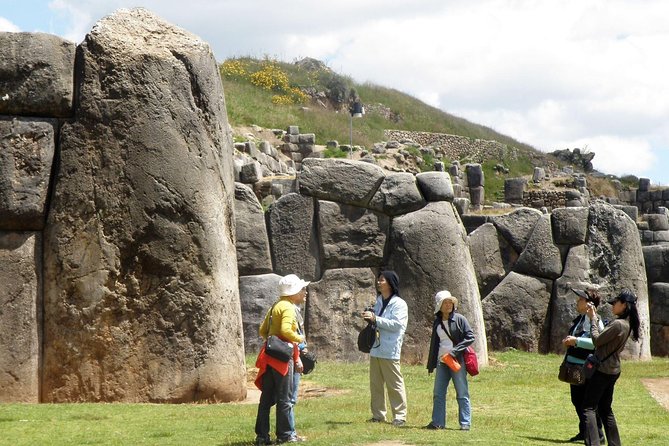
This pricing efficiency compounds across multi-night stays. A five-night luxury itinerary in July (hotel+private guides+Machu Picchu logistics) easily approaches $8,000-10,000 per person. The identical experience in April or September drops to $5,500-7,000, with better availability for add-on experiences like private weaving workshops in Chinchero or exclusive evening tours of Sacsayhuamán.
Festival and Cultural Calendar
Cusco’s cultural calendar significantly influences which season aligns with travelers’ interests, with major festivals concentrated in specific months.
April coincides with Cusco’s most important spiritual observance: the Procession of the Lord of Earthquakes (Señor de los Temblores) on April 14. This centuries-old ceremony draws thousands of devotees and provides profound insight into Cusqueña spirituality. Holy Week (varying annually but typically late March-early April) fills the city with solemn processions and the “Visit of the Seven Churches,” creating a deeply reverent atmosphere.
June marks Inti Raymi (Festival of the Sun), a week-long recreation of Incan winter solstice ceremonies. The main spectacle occurs at Sacsayhuamán on June 24, with 500+ costumed dancers and authentic rituals. This festival represents Cusco at maximum cultural vibrancy—streets filled with traditional music, folk dancers, and celebrations—but occurs precisely at peak tourist season.
September-October offers subtler cultural engagement: September 8 features the Fiesta de la Virgen de Natividad with processions and traditional dancers, while October transforms into “Cusco Tourist Week,” a month-long celebration showcasing regional offerings through markets, craft fairs, and cultural events. These festivals maintain authenticity without the international tourist pressure of Inti Raymi, allowing more intimate engagement.
Comparative Seasonal Profile
| Factor | April | May | June-August | September | October |
|---|---|---|---|---|---|
| Daytime Temperature | 18.9°C | 20°C | 20-23°C | 20°C | 22°C |
| Rainfall | Decreasing (45mm) | Minimal (20mm) | Minimal | Low (15mm) | Moderate (45mm) |
| Crowd Level | Moderate | Moderate-Low | Very High | Low-Moderate | Low |
| Hotel Availability | High | Good | Limited | High | High |
| 5-Star Hotel Cost | 70-75% of peak | 75% of peak | 100% baseline | 80% of peak | 65% of peak |
| Booking Lead Time | 4-6 weeks | 6-8 weeks | 2-3 months | 4-6 weeks | 4-6 weeks |
| Major Festivals | Señor Temblores, Holy Week | Cruz Velacuy | Inti Raymi | Fiesta Virgen | Tourist Week |
| Weather Reliability | Good | Excellent | Excellent | Excellent | Good |
Practical Recommendations by Traveler Profile
For maximum comfort and exclusive access: Choose early-to-mid September. The dry season provides optimal trekking weather, luxury services operate at peak competency without peak-season pressure, and your $420/night luxury property will likely offer complimentary upgrades due to availability. Book accommodations and Machu Picchu tickets 4-6 weeks in advance, allowing flexibility for last-minute adjustments.
For cultural immersion with fewer international tourists: Choose April. Witness authentic religious ceremonies, enjoy countryside transformed by recent rains (spectacular for photography), and benefit from below-peak pricing. Accept that nighttime temperatures will require warm layers and that afternoon showers remain possible in late April.
For optimal value without seasonal compromise: Choose May or early October. May bridges transition to absolute dry season, while early October captures final dry-season weather before rains intensify. Both offer 70-80% of peak-season reliability at 65-75% of peak costs.
For unavoidable peak season travel: If June-August proves mandatory, book everything immediately upon availability windows open (entrance tickets 2-3 months ahead, trains 60-90 days), select afternoon Machu Picchu entry slots (morning slots sell out within days), and leverage luxury hotels’ concierge services to navigate crowds through timed private tours and exclusive access arrangements.
Altitude Acclimatization Note
For luxury travelers arriving from sea-level locations, the choice of season affects acclimatization strategy. Cusco’s 3,400-meter elevation requires 2-3 days adjustment before strenuous activities like the Inca Trail. The dry season’s cold nights (potentially 0°C) and the wet season’s milder nights (7-8°C) create different metabolic demands. Luxury hotels uniformly advise arriving in Cusco 1-2 days before high-altitude excursions; shoulder seasons’ generally warmer daytime temperatures (relative to peak dry season) slightly ease this biological adjustment without compromising the experience.
The final verdict: September represents the optimal window for luxury travel seeking both exceptional service and respectable crowd levels, while April offers compelling alternatives for culturally-focused travelers accepting minor weather variability. Both shoulder seasons decisively outperform peak season for travelers prioritizing the luxury experience—meaning personalized attention, spontaneous refinements, and exceptional value—over perfect weather guarantees.