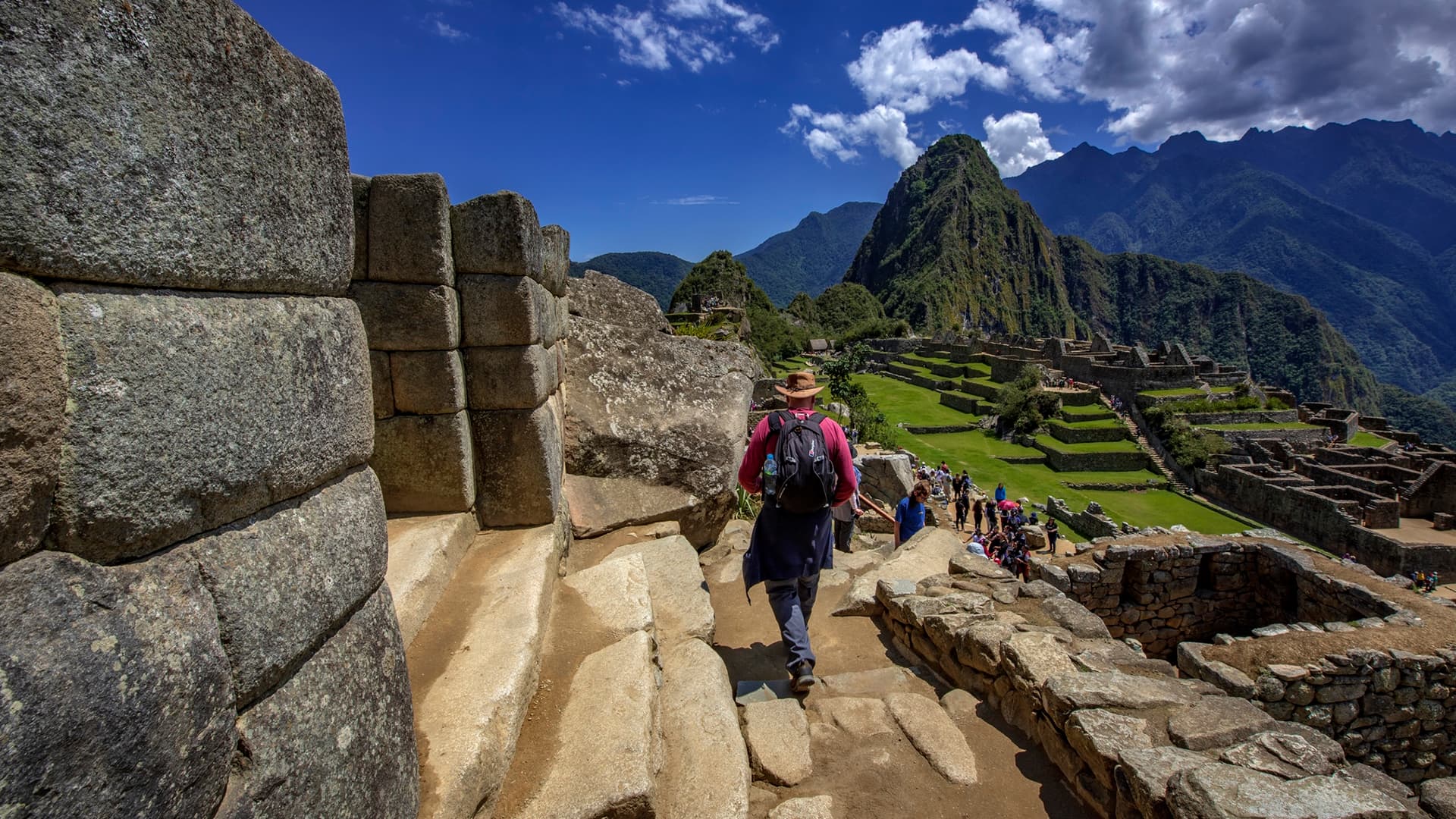
First-time visitors to Cusco face an enviable dilemma: the region offers an extraordinary concentration of Inca archaeological sites, stunning mountain landscapes, and cultural experiences within a manageable distance. However, the city’s extreme altitude of 3,400 meters (11,000 feet) and the variety of options demand strategic planning to maximize both experience quality and physical well-being.
Understanding the Altitude Factor
Cusco’s elevation presents the single most important consideration for first-time visitors. Altitude sickness (“soroche”) affects visitors unpredictably—some experience mild symptoms while others feel debilitated. The most common indicators include headache, nausea, fatigue, and dizziness during the first 2-3 days.
Critical recommendation for first-timers: Allow 2-3 days for acclimatization before booking physically demanding day trips. This period should include gentle walks around Cusco’s historic center, light meals featuring carbohydrates, consistent hydration, and adequate rest. Coca tea, readily available throughout the city, offers traditional Andean relief for altitude symptoms.
The acclimatization sequence matters. Visit lower-altitude Sacred Valley sites (2,700-3,300m) before gradually progressing to higher elevations like Humantay Lake (4,250m) and ultimately Rainbow Mountain (5,200m). This approach prevents acute mountain sickness while building physical conditioning.
The Sacred Valley: A Comprehensive First-Day Experience
For visitors with limited time, the full-day Sacred Valley tour represents the optimal introduction to Cusco’s cultural landscape. These orchestrated tours typically depart at 6-8 AM and return by 6-9 PM, covering multiple archaeological sites, markets, and colonial towns in a single day.
The standard itinerary visits Pisac, located 35 kilometers northeast of Cusco. The Pisac Archaeological Park spreads across a mountainside with four distinct sections: warehouses, the Temple of the Sun, residential areas, and intricate water systems. Hikers ascending from the town center encounter stunning perspectives of the Sacred Valley while passing through architectural features demonstrating Inca engineering sophistication. The Pisac market, vibrant with indigenous vendors selling textiles and handicrafts, provides cultural context absent from ruins alone.
Ollantaytambo, 60 kilometers northwest, served as the royal estate of Inca emperor Pachacutec. The fortress’s position on a mountainside creates dramatic photographs while revealing Inca mastery of stonework and terracing. The town below retains authentic character with cobblestone streets and colonial architecture, offering travelers time to absorb local atmosphere rather than rushing between sites.
The itinerary frequently includes Maras Salt Mines—a visually striking Pre-Inca complex comprising 4,500 man-made salt pools producing 250-300 kilograms monthly through natural spring water evaporation. The geometric patterns and color gradations create otherworldly landscapes accessible with minimal physical exertion.
Moray Ruins, featuring three massive circular terraces built into depressions, represents an agricultural laboratory hypothesis—the Inca may have used varying temperatures across depths to cultivate crops from different elevations.
Chinchero, positioned 30 kilometers northwest, deserves particular attention for visitors interested in textiles and indigenous culture. The town’s artisan market reveals traditional weaving processes while its colonial church sits atop Inca palace foundations, illustrating the Spanish conquest’s architectural overlay.
The Sacred Valley tour cost ranges from $30-100 USD depending on inclusions, while the Cusco Tourist Ticket (Boleto Turístico) provides optimal value. The Circuit III partial ticket costs S/.70 ($19 USD) and covers Pisac, Ollantaytambo, Chinchero, and Moray for two days. The full ticket at S/.130 ($35 USD) provides access to 16 sites throughout Cusco and the Sacred Valley with a 10-day validity window.
Individual Archaeological Sites for Focused Exploration
Visitors preferring depth over breadth should consider dedicated trips to specific sites. Pisac merits a full half-day when hiking from the town center takes approximately one hour. The journey passes through the fortress’s different sectors, revealing Inca agricultural terraces, small burial caves carved into cliff faces, and the Temple of the Sun with its precisely positioned stones. Budget-conscious travelers can reach Pisac via colectivo (minivan) for approximately S/.5 ($1.50) from Cusco’s transportation hub near Calle Pavitos and Avenida Grau.
Ollantaytambo similarly rewards extended visits. Beyond the fortress, the 45-minute hiking trail to Pinkuylluna (the mountain terraces above town) offers solitude and vistas unavailable to tour groups. Local guides (approximately $20-30 per group) provide context regarding Inca defensive strategies and construction techniques that silent observation cannot convey.
Sacsayhuaman: Proximity and Accessibility
For visitors arriving in Cusco during the acclimatization window, Sacsayhuaman fortress represents the ideal nearby option. Located merely 20 minutes’ walk from the city center, this 3,700-meter-elevation site features enormous precisely-fitted stone blocks demonstrating Inca engineering without requiring extended travel or specialized fitness. The site overlooks Cusco with panoramic views that reward even brief visits.
Visitors can enter Sacsayhuaman using either the full or Circuit II Boleto Turístico, or pay approximately $20 USD for standalone entry. Alternative visitors walk the site’s outer boundaries free of charge—a compromise satisfying budget-conscious travelers while providing photographic opportunities.
High-Altitude Lakes: Photography and Natural Beauty
Humantay Lake, positioned at 4,250 meters altitude with the snow-capped Humantay mountain providing a dramatic backdrop, attracts photographers seeking emerald-hued glacial waters. The 1.5-2 hour hike from the parking area requires solid acclimatization but delivers rewards disproportionate to physical exertion.
These tours include transportation from Cusco (3-hour drive), breakfast, and guide services for approximately $40-60 USD. The entrance fee of S/.10 ($3 USD) is typically included. The morning departure time (5-6 AM) allows afternoon return to Cusco, accommodating evening activities.
Lake Kinsa Cocha, less visited than Humantay, presents landscapes resembling Iceland with steely-green waters and alpaca herds. Located three hours by taxi from Cusco, this site appeals to visitors seeking off-the-beaten-path experiences with moderate physical demands.
Rainbow Mountain: Challenge and Crowds
Vinicunca Rainbow Mountain has become Cusco’s most famous day trip despite substantial altitude (5,200 meters) and physical demands. The mountain’s colorful mineral-stained slopes became visible only in 2015 following glacial melting, yet it now attracts 1,500+ daily visitors.
The tour structure requires pre-dawn departure (4-5 AM), a 3-4 hour drive, breakfast at a local restaurant, then a challenging 2-hour uphill hike gaining approximately 350 meters elevation. Descent typically requires 45 minutes. Most visitors experience significant breathlessness at this altitude, particularly those inadequately acclimatized.
Cost ranges from $25-50 USD, with the lowest prices often reflecting minimal guiding and larger group sizes. Cost variation correlates directly with group size and inclusions.
Palccoyo Rainbow Mountain offers a superior alternative for crowd-conscious travelers and those with moderate rather than advanced fitness. At 4,900 meters elevation (300 meters lower than Vinicunca), the hike requires only 40-45 minutes and features a gentler gradient. Critically, only approximately 60 daily visitors access this site compared to 1,500+ at Vinicunca, creating fundamentally different experiences. Visitors observe not one but three rainbow mountains, though from greater distance.
Machu Picchu: The Iconic Day Trip Decision
Machu Picchu day trips remain logistically possible though debated among experienced travelers. The itinerary requires pickup by 5-6 AM, minibus transport to Ollantaytambo (2 hours), a train ride through the Sacred Valley (1.5-2 hours), arrival at Aguas Calientes, and either shuttle bus or hiking to the ruins. With timed entry slots limiting visits to 4 hours on-site, the total experience encompasses 14-15 hours of daily activity for visitors. Return trains depart in late afternoon, requiring departure from Machu Picchu by 3-4 PM.
Cost for organized day tours ranges from $336-360 USD, with entry fees ($42 USD), train tickets, and guide services representing distinct line items. The Panoramic Train offers superior valley views compared to local trains.
Experienced Peru travelers often recommend either multi-day treks (Inca Trail, Salkantay) or overnight stays in Aguas Calientes to provide deeper engagement with the site and its surroundings. However, first-time visitors with time constraints find day trips acceptable, particularly when booking early-morning entry slots to minimize crowds.
Practical Logistics and Transportation
Transportation flexibility distinguishes budget-conscious from convenience-prioritizing visitors. Colectivos (shared minivans) cost S/.5-10 ($1.50-3 USD) and depart hourly from Cusco’s colectivo stations but require advance knowledge of specific departure points and offer minimal comfort or predictability. These work for independent travelers comfortable with uncertainty.
Private taxis cost $50-200 USD one-way depending on destination, though splitting costs with other travelers reduces individual expense. Taxis suit visitors prioritizing comfort and schedule control.
Organized tours ($25-100+ USD depending on inclusions) eliminate logistics while providing English-language guides, breakfast/lunch, and entrance fees—typically representing optimal value for first-time visitors managing altitude concerns and cultural context simultaneously.
Strategic Itinerary Framework
For 3-4 Day Visits:
- Day 1-2: Acclimatize in Cusco; explore Plaza de Armas and San Blas neighborhoods
- Day 3: Sacred Valley full-day tour
- Day 4: Optional Sacsayhuaman morning walk before departure
For 5-6 Day Visits:
- Days 1-2: Acclimatization
- Day 3: Sacred Valley tour
- Day 4: Overnight stay in Ollantaytambo; Machu Picchu day trip
- Day 5: Sacsayhuaman or market exploration
For 7+ Day Visits:
- Days 1-2: Acclimatization
- Days 3-4: Sacred Valley (consider overnight stay for deeper exploration)
- Day 5: Humantay Lake or Palccoyo Rainbow Mountain
- Day 6: Machu Picchu (overnight in Aguas Calientes)
- Day 7: Vinicunca Rainbow Mountain (only if well-acclimatized) or additional Sacred Valley exploration
Family and Accessibility Considerations
While many day trips involve hiking, several options accommodate families with children or visitors of varying fitness levels. The Sacred Valley tour’s modular structure allows families to skip strenuous sections while participating in market visits and moderate site exploration.
Chinchero’s textile centers offer interactive experiences for children while requiring minimal physical exertion. Maras Salt Mines provide accessible viewpoints and fascinating visual spectacles with straightforward walking paths.
Families should avoid high-altitude destinations (Humantay Lake, Rainbow Mountains) until children have acclimatized, typically 3-4 days minimum. Sacsayhuaman represents the most accessible archaeological option requiring only 20 minutes’ walk from the city center.
Critical Pre-Visit Research
Consult with your hotel regarding typical acclimatization timelines in your specific case (fitness level, age, previous altitude experience vary responses). Purchase travel insurance explicitly covering altitude sickness—many policies exclude high-altitude activities unless declared.
Download offline maps of archaeological sites; cellular coverage remains inconsistent in Sacred Valley areas. Book Machu Picchu entry times online weeks in advance rather than assuming day-of availability.
Review site opening hours (typically 7 AM-5 PM) and plan colectivo departures accordingly. Expect rainy season closures at high-altitude sites during December-March; this period may require flexibility in planning.
First-time visitors to Cusco maximize experiences by respecting altitude limitations during initial days while prioritizing the Sacred Valley’s concentrated collection of archaeological sites, markets, and colonial towns. This approach balances cultural engagement, physical capacity, and practical efficiency—essential considerations when visiting one of the world’s most geographically challenging tourist destinations at 11,000 feet elevation.